

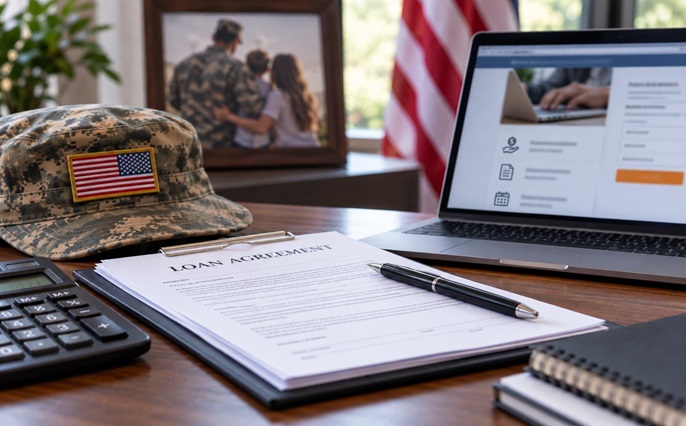
A service member who borrowed from CashNetUSA usually has a stack of papers from the loan. Those papers show whether the borrower was a Military Lending Act covered borrower when the loan was signed, and they show what the loan cost.
Covered Borrowers
Under the Military Lending Act (MLA), a covered borrower is mainly an active-duty member, a Guard or Reserve member on some orders of more than 30 days, or an eligible family member. Status is judged on the day the borrower signs and becomes bound by the loan.
The Loan Agreement
The agreement lists the signing date, the type of loan, the costs and the terms. Every other record is compared against it.
Service Records
Orders and a DD-214 list the dates of active duty. Terminal leave counts as active duty in most cases. Leave and earnings statements cover the same months and back up the dates.
Account and Bank Records
CashNetUSA account statements list each payment, each renewal and each draw on a line of credit, and every one has a date. Bank statements list the automatic withdrawals. Emails and chat logs keep what the lender wrote.
The Type of Loan
CashNetUSA is an online loan brand of Enova International. A 2023 order from the Consumer Financial Protection Bureau (CFPB) says Enova offers installment loans and lines of credit through CashNetUSA, and it offered payday loans through the brand until 2022.
The Cost of the Loan
For covered borrowers, the MLA caps the Military Annual Percentage Rate (MAPR) at 36%. The MAPR counts some fees and charges that a normal APR leaves out, so the APR on a disclosure can be lower than the MAPR.
Service members and military families with a CashNetUSA loan can bring these records to a no-cost consultation with Varnell & Warwick, a Tampa consumer protection law firm. This article is general information, not legal advice.
