

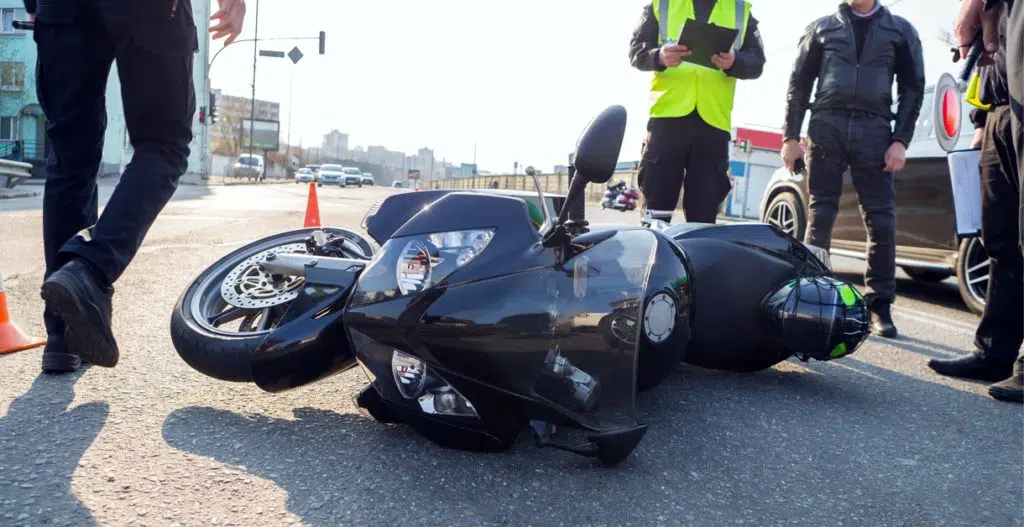
Motorcycle crashes in and around Paradise often unfold in seconds, yet the aftermath can last for years. Between medical bills, missed work, and insurance calls, riders need straightforward guidance about their legal options and the evidence that supports a strong claim. This guide focuses on the patterns, procedures, and practical steps that shape compensation for injured motorcyclists in Clark County. You’ll come away with a clear sense of how fault is proven, how insurers value your case, and what makes motorcycle claims different from car collisions. If you’re navigating any stage of recovery after a crash, Find out more about timelines, documentation, and the benefits of experienced counsel to protect your rights. With tourism traffic and dense urban corridors, Paradise Motorcycle Accidents present distinct challenges that deserve focused attention.
Rising Motorcycle Accident Rates in Paradise and Nearby Areas
Local traffic density, tourism-driven congestion, and complex intersections contribute to a steady rise in motorcycle crashes throughout Paradise and the broader Las Vegas Valley. Corridors like Tropicana Avenue, Flamingo Road, and the I-15 interchanges are hot spots, especially during conventions and major events when visitor traffic spikes. Nighttime visibility, rideshare pickups, and frequent lane changes create a volatile mix that too often leaves riders exposed. Seasonal factors matter as well; warm weather brings more bikes onto the road, while out-of-town riders may be unfamiliar with local patterns and speed limits. Against this backdrop, advocates tracking Paradise Motorcycle Accidents have noted that left-turn conflicts and sudden lane shifts are recurring threads in collision reports.
Key factors behind the uptick
- Heavy tourism and convention traffic, increasing unpredictable lane changes near resort corridors.
- Left-turn errors at multi-lane intersections, where drivers misjudge a motorcycle’s speed and distance.
- Lane-splitting confusion by out-of-state riders; Nevada does not permit lane splitting.
- Impaired or fatigued driving during late-night hours, overlapping with high pedestrian activity.
- Construction detours and temporary signage that complicate visibility and path planning.
- Rental vehicles and unfamiliar drivers who underestimate motorcycle acceleration and stopping distances.
Understanding local patterns helps riders and attorneys anticipate defenses and refocus investigations on the most likely mechanisms of impact. When you know, for example, that a left-turn failure to yield is common at a particular intersection, you can prioritize obtaining traffic camera footage and witness statements from nearby businesses. Mapping collisions by time and location also supports targeted requests for intersection timing data and law enforcement reports. In claims connected to event weeks, data from hotel valet logs, rideshare pick-up zones, and roadwork permits can corroborate congestion and line-of-sight issues. These details strengthen causation narratives and can be pivotal when liability is disputed or shared among multiple drivers.
Proving Negligence in Multi-Vehicle Crash Investigations
In multi-vehicle motorcycle crashes, establishing who was careless—and by how much—requires precise reconstruction and a disciplined approach to evidence. Nevada follows a modified comparative negligence rule, meaning a rider can recover damages reduced by their percentage of fault, but recovery is barred at 51% or greater responsibility. This makes the allocation of blame central to the outcome, particularly in chain-reaction scenarios common near I-15 ramps and Paradise’s major arterials. Investigators look for whether a driver failed to yield on a left turn, followed too closely, or executed an unsafe lane change that set off the cascade of impacts. Because memory fades and vehicles are quickly repaired, early action is often the difference between a contested claim and a compelling liability case.
Evidence that moves the needle
- Dashcam and surveillance video from rideshare vehicles, buses, and nearby businesses.
- Event data recorder (EDR) downloads showing speed, braking, and throttle inputs.
- Intersection signal timing records and traffic camera footage when available.
- Cell phone records in suspected distraction cases, obtained via subpoena when justified.
- Scene photographs documenting skid marks, gouges, debris fields, and final rest positions.
- Neutral witness statements and expert accident reconstruction to visualize sequence and fault.
An attorney’s first steps often include spoliation letters to preserve vehicles and electronic data, along with rapid deployment of a reconstruction expert when liability is hotly contested. Photogrammetry and drone imagery can capture fleeting road evidence before weather or cleanup crews erase it. In many Paradise Motorcycle Accidents, multiple insurance carriers are involved, each trying to minimize their insured’s role, so a unified narrative backed by physical evidence is essential. Witness credibility also matters; occupation, vantage point, and consistency across statements can sway adjusters and juries. When these elements align, they not only prove negligence but also counter biased assumptions that a rider’s speed or lane position was the primary cause.
How Insurance Companies Evaluate Motorcycle Injury Claims
Insurers weigh motorcycle claims through a lens that combines liability risk, medical documentation, policy limits, and perceived jury appeal. Adjusters scrutinize ER records, diagnostic imaging, missed work, and treatment gaps to test whether injuries match the reported mechanism of the crash. Bias can creep in—some evaluators wrongly assume riders accept higher risk or were speeding—so neutral facts and objective metrics are crucial. Carriers also inventory available coverage, from at-fault bodily injury policies to your own MedPay and UM/UIM, and analyze liens that may reduce net recovery. If you want to anticipate the negotiation path rather than react to it, Find out more about how adjusters segment value drivers and where they tend to push back.
Common tactics and how to respond
- Quick low offers before the full course of treatment is known; decline until prognosis is clear.
- Requests for recorded statements probing for admissions or inconsistencies; route through counsel.
- Blaming preexisting conditions; counter with comparative imaging and treating physician opinions.
- Independent medical examinations (IMEs) designed to minimize causation and permanence.
- Social media monitoring to challenge claimed limitations; maintain strict privacy and consistency.
- Delays tied to “ongoing investigation” while evidence goes stale; impose preservation deadlines.
Your demand package should do more than total bills and attach records; it should tell a coherent story that links mechanism to injury, and injury to daily-life consequences. This includes photos of damaged protective gear, helmet impacts, and road rash progression, plus employer letters on missed duties and any accommodations required. For serious injuries, a life-care plan and economic loss analysis can shift negotiations from generic “multiplier” formulas to concrete future costs. In Paradise Motorcycle Accidents, intersection schematics and traffic studies often help rebut claims that a rider could have avoided the collision. The more your documentation anticipates the carrier’s skepticism, the faster you move past formulaic offers toward policy-limit discussions.
Compensation for Road Rash, Fractures, and Long-Term Disabilities
Motorcycle injuries range from painful but treatable to permanently disabling, and each category requires a tailored damages presentation. Road rash, for example, is more than scrapes—it can involve second- or third-degree skin loss, requiring debridement, grafting, and infection management, followed by scarring that affects self-image and employment. Fractures to the clavicle, wrist, tibia-fibula, or pelvis may need surgical fixation and months of rehab, while joint injuries can lead to post-traumatic arthritis that limits riding and work duties. Spinal and traumatic brain injuries introduce long horizons of care, cognitive changes, and loss of independence, which must be translated into specific, credible costs. When building a claim, linking medical needs to day-to-day limitations—sleep disruption, mobility constraints, and reduced stamina—turns abstract diagnoses into persuasive human impacts within Paradise Motorcycle Accidents.
Valuing complex harms
- Scarring and disfigurement: expert assessments, photos over time, and potential revision surgeries.
- Loss of earning capacity: vocational testing and functional capacity evaluations to quantify limits.
- Future medical expenses: life-care plans for therapies, equipment, medications, and home modifications.
- Pain and suffering: journals and “before-and-after” witness statements grounding intangible losses.
- Loss of enjoyment: evidence of curtailed hobbies, family activities, and community involvement.
A well-supported damages model recognizes how one injury amplifies another—for instance, a wrist fracture complicating mobility during recovery from a leg surgery, or a TBI magnifying pain perception and fatigue. Settlement negotiations should account for the full arc of care, not just the first months of bills, and may involve structured settlements to secure long-term therapy or attendant care. Healthcare liens from private insurers, Medicare, or the VA must be audited and negotiated to maximize the net recovery in your pocket. If you’re coping with evolving symptoms or delayed diagnoses, Find out more about strategies to update your claim value without restarting negotiations from scratch. Precision here protects you from closing your case before the real costs are known.
Legal Differences Between Motorcycle and Car Injury Claims
Motorcycle claims are shaped by rules, risks, and perceptions that diverge significantly from standard car crash cases. Nevada requires DOT-compliant helmets for riders and passengers, and while proper gear reduces injury severity, insurers sometimes weaponize gear discussions to suggest shared fault. Lane splitting is not permitted, and allegations of riding between lanes can become a focal point even when it didn’t happen—emphasizing the need for video and witness clarity. Visibility and “looked-but-didn’t-see” driver errors surface repeatedly in rider cases and must be countered with intersection design, blind-spot diagrams, and driver training standards. Insurance coverage can differ too: some motorcycle policies have lower limits or exclude certain aftermarket customizations unless specifically scheduled, which affects property and accessory claims.
Procedural and regulatory nuances
- Statute of limitations: generally two years for personal injury in Nevada; property damage claims often allow three years.
- Government entities: special notice and timing rules may apply when roadway design or signals are implicated.
- Comparative negligence: recovery is barred if a claimant is 51% or more at fault, making liability apportionment critical.
- Diminished value: proving loss for custom or vintage bikes requires specialized appraisals and market comps.
- No-fault vs. at-fault: Nevada is an at-fault state; MedPay may help regardless of fault but PIP is not standard.
Expertise also plays a larger role in motorcycle cases because the physics differ—single-track dynamics, countersteering, and target fixation issues are foreign to most car-only reconstructions. Product liability may intersect with crashes where tire defects, steering head issues, or brake failures are alleged, requiring preservation of components and chain-of-custody documentation. Helmet integrity and fit, jacket abrasion ratings, and boot damage can corroborate impact angles and speeds. When these technical elements are integrated with credible medical narratives, they help neutralize stereotypes and anchor the claim in measurable, objective realities.
Recent Case Studies of Motorcycle Settlements in Nevada
While every outcome depends on facts and available insurance, recent Nevada motorcycle settlements illustrate how specific factors shape value. In a multi-vehicle intersection crash near Paradise, a rider with a tibia fracture, road rash, and minor TBI symptoms resolved claims for combined six figures after intersection timing data confirmed a left-turn violation. Another case involved a rear-end collision on the 215 beltway leading to cervical fusion; policy limits were tendered once EDR downloads and dashcam confirmed the at-fault driver’s speed and inattention. A lane-change sideswipe on Flamingo Road resulted in significant shoulder and wrist injuries; video from a nearby business undermined the defense argument that the rider was lane splitting, prompting a mid–six-figure settlement. These snapshots aren’t guarantees, but they show how targeted evidence development moves numbers in negotiations involving Paradise Motorcycle Accidents. For riders exploring their options after a crash, Find out more about how venue, policy stacks, and lien reduction strategies influence net recovery.
What influenced outcomes
- Clear liability proof: traffic cams, EDR data, and multiple neutral witnesses left little room for defense narratives.
- Policy limits and stacking: identifying all coverage, including UM/UIM, expanded the settlement ceiling.
- Venue dynamics: Clark County juror attitudes toward visibility and left-turn faults affected negotiation posture.
- Medical clarity: consistent treatment, specialist opinions, and future care plans framed long-term costs.
- Credibility factors: rider training records, gear photos, and clean social media undermined bias and speculation.
- Lien negotiations: reductions on health insurance and provider liens increased the rider’s net proceeds.
The through-line in these results is disciplined case building: preserving vehicles, locking down witnesses early, and presenting cohesive, visual narratives. Small details—photos of shredded gloves, a helmet’s impact point, an employer’s letter explaining modified duties—can tip a decision-maker from doubt to agreement. Just as important are timing and patience; premature settlements often miss the true cost of surgeries or therapy that emerge months later. With coordinated medical documentation, expert support, and a firm stance on liability, motorcyclists can navigate a complex system and pursue compensation that reflects both present harm and future needs.

Comments are closed.